
Exploring Exotic Meat Dishes Around the World
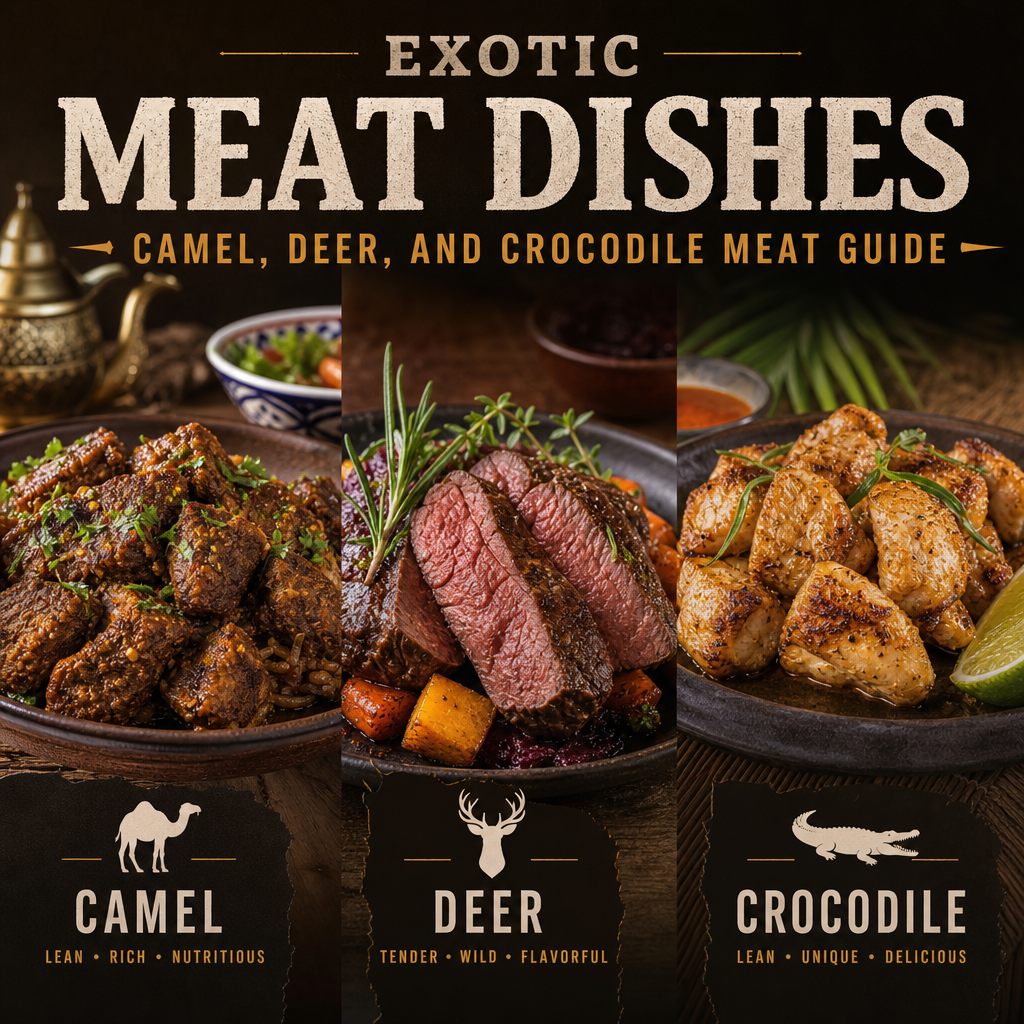
For adventurous eaters, exotic meat dishes open the door to new flavors, textures, and culinary traditions. While many people are familiar with common types of meat like chicken, beef, and lamb, cultures around the world also prepare distinctive meals using less familiar ingredients such as camel meat, deer meat, and crocodile meat.
These dishes are often deeply rooted in local history and environment. In many regions, exotic meats are not novelties at all—they are traditional foods enjoyed for generations.
What Makes a Meat “Exotic”?
The word “exotic” usually depends on where you live. A type of meat that seems unusual in one country may be completely normal in another. What matters most is the cultural context, the cooking method, and the role the ingredient plays in everyday cuisine.
Exotic meats are often valued for:
- Unique flavor profiles
- Cultural significance
- Nutritional variety
- Regional availability
When prepared well, these meats can offer a dining experience that is both memorable and surprisingly approachable.
Camel Meat: Rich, Lean, and Traditional
A Staple in Arid Regions
Camel meat is commonly eaten in parts of the Middle East, North Africa, and Central Asia. It has long been an important source of protein in desert regions, where camels are highly valued animals.
The flavor of camel meat is often compared to beef, but it is typically slightly sweeter and can be leaner depending on the cut and the age of the animal. Younger camel tends to be more tender, while older cuts are often slow-cooked to bring out the best texture.
Popular Camel Meat Dishes
Some traditional dishes featuring camel meat include:
- Slow-cooked stews with spices and vegetables
- Grilled camel kebabs
- Minced camel burgers or sausages
- Rice dishes cooked with tender pieces of meat
Because it is lean, camel meat benefits from careful cooking that preserves moisture and enhances its natural richness.
Deer Meat: Elegant and Earthy
A Classic Game Meat
Deer meat, often referred to as venison, is one of the most respected game meats in the culinary world. It is popular in Europe, North America, and parts of Asia, where hunting traditions and wild food culture remain strong.
Compared to beef, deer meat is usually leaner and has a deeper, earthier flavor. Its taste is sometimes described as slightly woody or herbal, reflecting the animal’s natural diet.
Best Ways to Enjoy Deer Meat
Because deer meat is low in fat, it can dry out quickly if overcooked. Many chefs prefer simple preparations that highlight its natural taste, such as:
- Pan-seared venison loin
- Deer stew with root vegetables
- Roasted deer meat with berry sauces
- Ground venison in pies or meatballs
A well-cooked deer meat dish can feel rustic and refined at the same time, making it a favorite for seasonal and gourmet menus.
Crocodile Meat: Mild Yet Unexpected
A Taste Between Chicken and Fish
Among unusual proteins, crocodile meat often surprises first-time diners. Eaten in parts of Africa, Southeast Asia, and Australia, it has become increasingly popular in specialty restaurants and food markets.
The flavor of crocodile meat is commonly described as a mix between chicken and firm white fish. It is mild, slightly sweet, and generally lower in fat than many traditional meats.
How Crocodile Meat Is Served
Because of its firm texture, crocodile meat works well in several cooking styles:
- Grilled skewers
- Stir-fries with herbs and chili
- Fried bites or nuggets
- Curries and soups
When cooked properly, crocodile meat remains tender and juicy. Overcooking, however, can make it tough, so timing is key.
Why Exotic Meat Dishes Appeal to Food Lovers
The growing interest in global cuisine has encouraged more people to explore beyond familiar choices. Exotic meat dishes offer more than novelty—they tell stories about geography, survival, trade, and tradition.
Food lovers are often drawn to these dishes because they:
- Expand the palate
- Connect dining to cultural discovery
- Showcase traditional cooking methods
- Introduce lean and alternative protein sources
Trying a new type of meat can be a way to better understand the people and places behind the recipe.
Things to Consider Before Trying Exotic Meat
Not all exotic meats are available everywhere, and sourcing matters. It is important to choose restaurants, markets, or suppliers that follow local regulations and responsible practices.
Keep these points in mind:
Check Quality and Origin
Make sure the meat comes from a reputable source with proper food safety standards.
Respect Cultural Traditions
Many exotic meat dishes have deep cultural roots. Approaching them with curiosity and respect makes the experience more meaningful.
Start with Simple Preparations
If you are new to camel meat, deer meat, or crocodile meat, begin with grilled or stewed dishes that let the natural flavors stand out.
Final Thoughts
Exotic meat dishes offer a fascinating look at the diversity of global food culture. From the bold richness of camel meat to the earthy elegance of deer meat and the mild novelty of crocodile meat, these ingredients reveal how varied and creative the world of meat can be.
For anyone eager to expand their culinary horizons, exploring these distinctive dishes can be both delicious and eye-opening. Sometimes, the most memorable meals come from trying something completely unexpected.