

USA’s Breakfast: When Junk Food Starts the Day
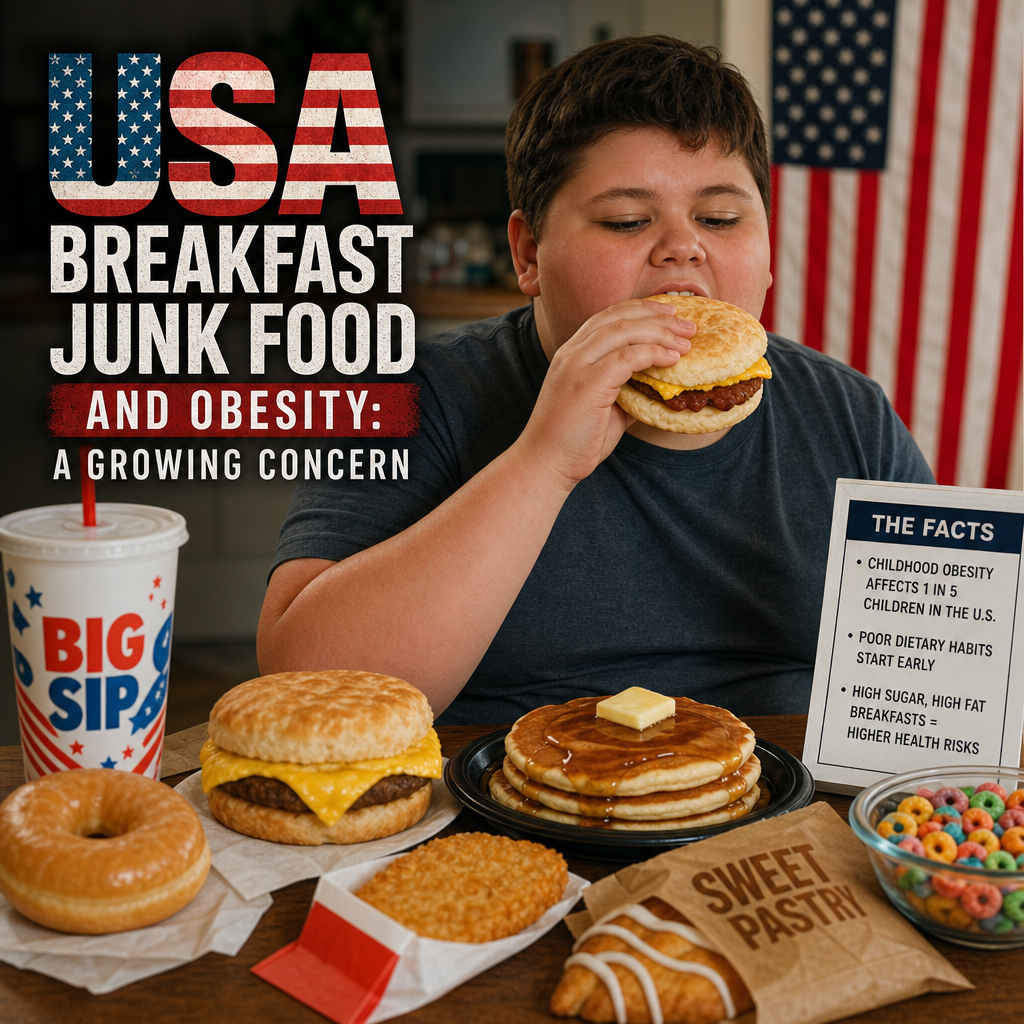
In the USA, breakfast is often described as the most important meal of the day. In reality, for millions of people, it is also one of the most processed. Sugary cereals, frosted pastries, fast-food sandwiches, sweetened coffee drinks, and packaged snacks have become a normal breakfast routine. This shift has helped turn morning eating into a major source of junk food consumption.
While convenience matters in busy households, the growing dependence on highly processed breakfast options raises serious concerns about health, nutrition, and obesity.
How Junk Food Became a Breakfast Standard
Breakfast in the USA did not always look like it does today. Traditional morning meals once included eggs, oats, fruit, toast, or other simple home-cooked foods. Over time, aggressive food marketing, larger portions, and faster lifestyles changed those habits.
Today, many breakfast products are designed to be:
- Quick to prepare
- Cheap to buy
- High in sugar, salt, and unhealthy fats
- Easy to eat on the go
That makes them appealing, but not necessarily nourishing. A breakfast that looks convenient can still leave people hungry again within a short time, especially when it lacks protein, fiber, and whole ingredients.
Common Junk Food Breakfast Choices in the USA
Many popular breakfast items in the USA are closer to dessert than a balanced meal. Common examples include:
- Sugary breakfast cereals
- Donuts and pastries
- Sweetened yogurt with candy-like toppings
- Fast-food biscuits, sandwiches, and hash browns
- Muffins made with refined flour and excess sugar
- Energy drinks or oversized flavored coffees
- Breakfast bars with long ingredient lists
These foods are often heavily marketed as fun, satisfying, or even healthy. Labels may highlight vitamins or whole grains, but that does not always offset large amounts of added sugar and calories.
Why They Are So Popular
There are a few reasons junk food dominates breakfast:
- Convenience: People are rushed in the morning.
- Advertising: Children and adults are constantly exposed to breakfast marketing.
- Taste: Sugar and fat make foods more appealing.
- Habit: Families often repeat what is easy and familiar.
- Availability: Processed breakfast foods are everywhere, from gas stations to school cafeterias.
The Link Between Breakfast Junk Food and Obesity
A diet built around junk food can contribute to obesity, and breakfast is an important part of that pattern. Highly processed breakfast meals are often calorie-dense but nutritionally weak. They may spike blood sugar quickly, followed by a crash that increases cravings later in the day.
This can lead to:
- Overeating before lunch
- Frequent snacking
- Higher daily calorie intake
- Poor energy balance over time
In the USA, where obesity rates remain a major public health issue, breakfast quality deserves more attention. Starting the day with high-sugar and high-fat foods can reinforce unhealthy eating habits and make weight management more difficult.
Children Are Especially Affected
Children are one of the biggest targets of breakfast food advertising. Bright packaging, cartoon mascots, and sweet flavors are used to make processed foods feel exciting and harmless. But a child who begins the day with junk food may struggle with concentration, energy swings, and long-term health risks.
When these habits continue for years, they can increase the risk of childhood obesity, which often carries into adulthood.
Is All Fast Breakfast Food Bad?
Not every quick breakfast is unhealthy. The issue is not speed alone. The problem is when convenience means heavily processed food with too much sugar, sodium, and saturated fat.
A better breakfast does not need to be complicated. Even simple choices can improve nutrition, such as:
- Oatmeal with fruit
- Eggs and whole-grain toast
- Plain yogurt with nuts
- A banana with peanut butter
- Smoothies made with real fruit and protein-rich ingredients
These meals can still fit busy schedules while offering more lasting energy and better appetite control.
How the USA Can Improve Breakfast Habits
Changing breakfast culture in the USA will require both personal and structural changes. Individuals can make better choices, but schools, workplaces, and food companies also shape what people eat.
Helpful steps include:
- Reducing added sugar in packaged breakfast foods
- Offering healthier school breakfast options
- Improving nutrition education
- Making whole foods more affordable
- Limiting misleading health claims in marketing
Small morning changes can have a meaningful effect over time. Choosing less junk food at breakfast may help reduce overeating, improve focus, and support a healthier weight.
Final Thoughts
Breakfast sets the tone for the day, and in the USA, that meal too often revolves around junk food. What seems like a quick and harmless morning habit can play a real role in poor nutrition and rising obesity rates.
A healthier breakfast does not have to be expensive or difficult. It simply needs to move away from ultra-processed convenience foods and toward more balanced, satisfying options. When breakfast improves, the rest of the day often follows.