

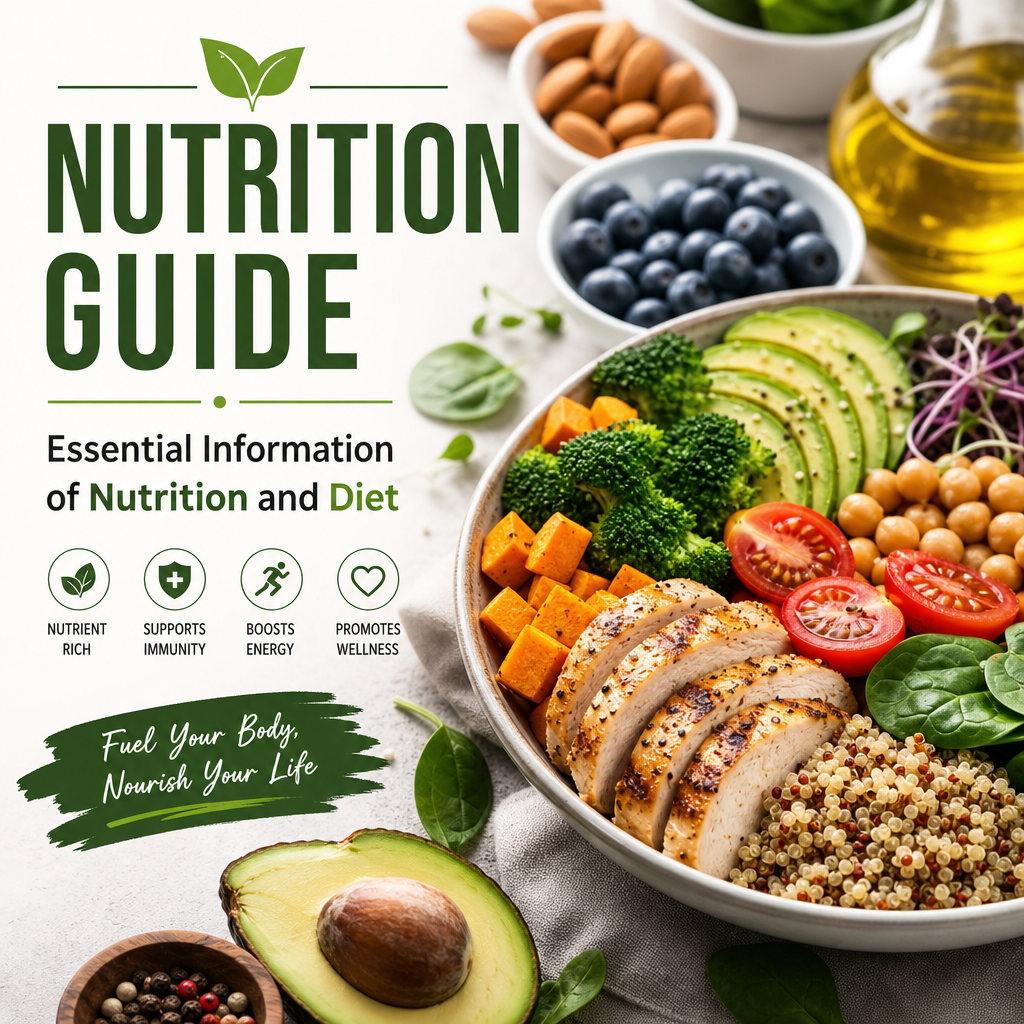
Good nutrition is not about chasing trends or cutting out entire food groups. It is about giving your body the fuel it needs to function well every day. When you understand the basics, healthy eating becomes far less confusing and much more practical.
This guide breaks down the most useful Information of nutrition into simple ideas you can actually use. For a broader overview of healthy eating habits, see Unlocking the Secrets of Healthy Eating. Whether your goal is better energy, weight balance, or overall wellness, a smart diet starts with the right foundation.
Why Nutrition Matters
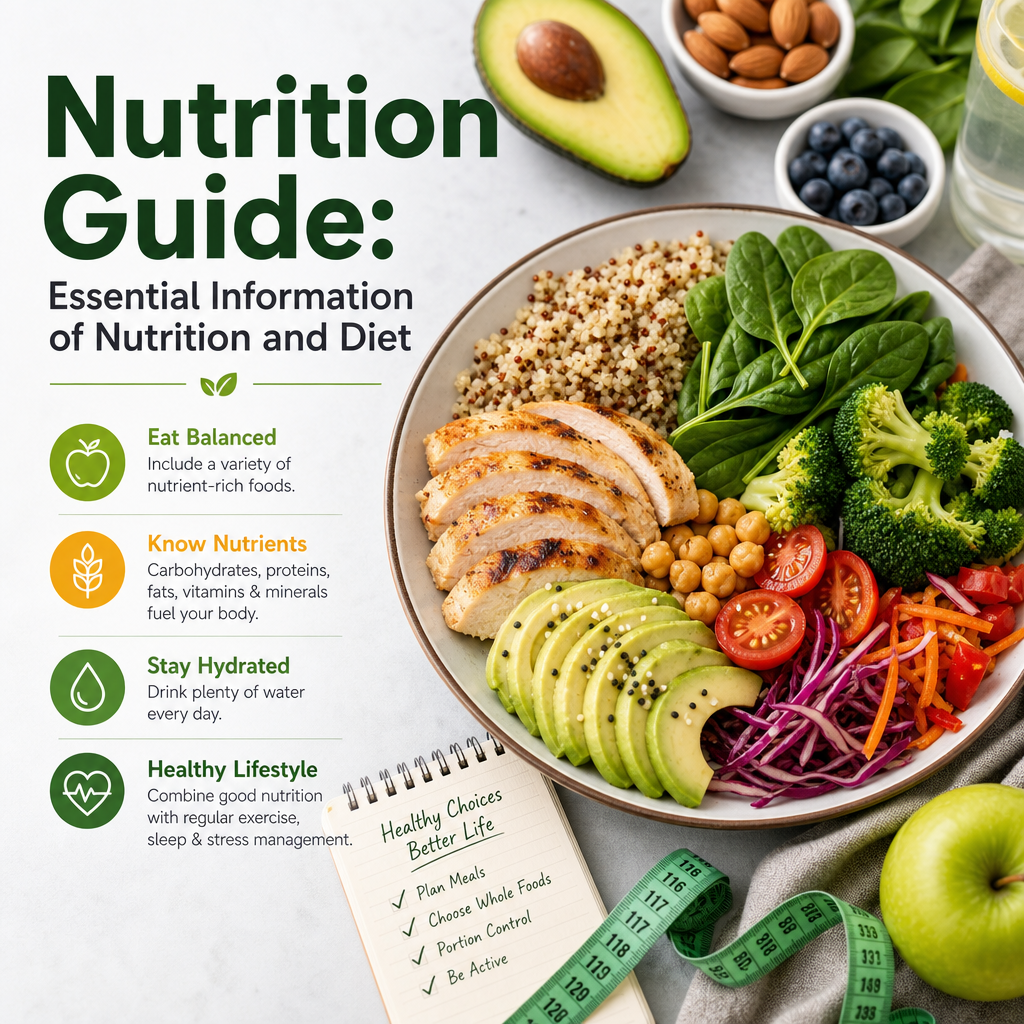
Everything you do depends on the nutrients you consume. Your body uses food for energy, repair, hormone balance, brain function, and immune support. Poor eating habits may not always show immediate effects, but over time they can affect how you feel and perform.
A balanced approach to nutrition can help with:
- Steady energy throughout the day
- Better concentration and mood
- Stronger bones and muscles
- Improved digestion
- Support for long-term health
Instead of thinking of food only in terms of calories, it helps to see it as daily support for your body and mind.
The Core Parts of a Healthy Diet
A healthy diet includes a mix of macronutrients and micronutrients. Each one has a specific job.
Macronutrients
Macronutrients are the nutrients your body needs in larger amounts:
Carbohydrates
Carbs are the body’s main energy source. Whole grains, fruits, vegetables, and legumes are better choices than highly processed sugary foods.
Protein
Protein helps build and repair tissues. It also supports muscles, hormones, and immune health. Good sources include eggs, fish, beans, lentils, chicken, yogurt, tofu, and nuts.
Healthy Fats
Fat is essential for brain health, hormone function, and absorption of certain vitamins. Focus on sources like avocados, olive oil, seeds, nuts, and fatty fish.
Micronutrients
Micronutrients include vitamins and minerals. You need them in smaller amounts, but they are still critical. Calcium, iron, vitamin D, magnesium, and vitamin C are only a few examples that support major body functions.
The best Information of nutrition often comes back to one simple point: variety matters. Eating many different whole foods helps you get a wider range of nutrients.
What a Balanced Plate Looks Like
Healthy eating does not have to be complicated. One easy method is to build your meals visually.
Try this simple plate guide:
- Half your plate: vegetables and fruits
- One quarter: lean protein
- One quarter: whole grains or complex carbohydrates
- Add a small amount of healthy fat
This approach supports portion control while improving the quality of your diet. It also makes meal planning easier because you do not need to count every gram or calorie.
Common Nutrition Mistakes
Many people want to eat better but get stuck in habits that make nutrition harder than it needs to be.
Skipping Meals
Missing meals can lead to low energy, overeating later, and poor food choices.
Relying on Processed Foods
Packaged foods are convenient, but many contain excess sugar, sodium, and unhealthy fats.
Ignoring Hydration
Water is a basic part of health. Even mild dehydration can affect focus, mood, and physical performance.
Following Extreme Diet Rules
Strict plans may work for a short time, but they are often hard to maintain. A sustainable diet is usually more effective than a restrictive one.
Simple Tips to Improve Your Nutrition
You do not need a full lifestyle overhaul to make progress. Small consistent changes often have the biggest impact.
1. Start with breakfast
Choose something with protein and fiber, such as yogurt with fruit, eggs with toast, or oatmeal with nuts.
2. Add more whole foods
Focus on foods that are close to their natural state, like vegetables, fruits, beans, grains, and lean proteins.
3. Read food labels
Basic Information of nutrition on labels can help you compare products and spot added sugars, sodium, and ingredient quality.
4. Plan ahead
Keeping healthy snacks and simple meal ingredients at home reduces the temptation to choose less nutritious options.
5. Be realistic
A good diet does not require perfection. It requires consistency. Enjoy treats in moderation and keep your overall eating pattern balanced.
Nutrition Is Personal
No single eating style works for everyone. Age, activity level, health conditions, culture, and personal preferences all affect what your body needs. That is why the best approach to nutrition is one that is flexible and realistic for your life.
If you have specific health concerns, food allergies, or medical conditions, it may help to speak with a qualified doctor or registered dietitian. Personalized Information of nutrition can make your choices more effective and safer.
Final Thoughts
The best nutrition guide is not the one with the strictest rules. It is the one that helps you eat well consistently, understand your body’s needs, and build habits you can maintain.
When you focus on balanced meals, whole foods, and practical choices, nutrition becomes less overwhelming. Use this Information of nutrition as a starting point, and remember that a healthy diet is built one meal, one choice, and one habit at a time.
