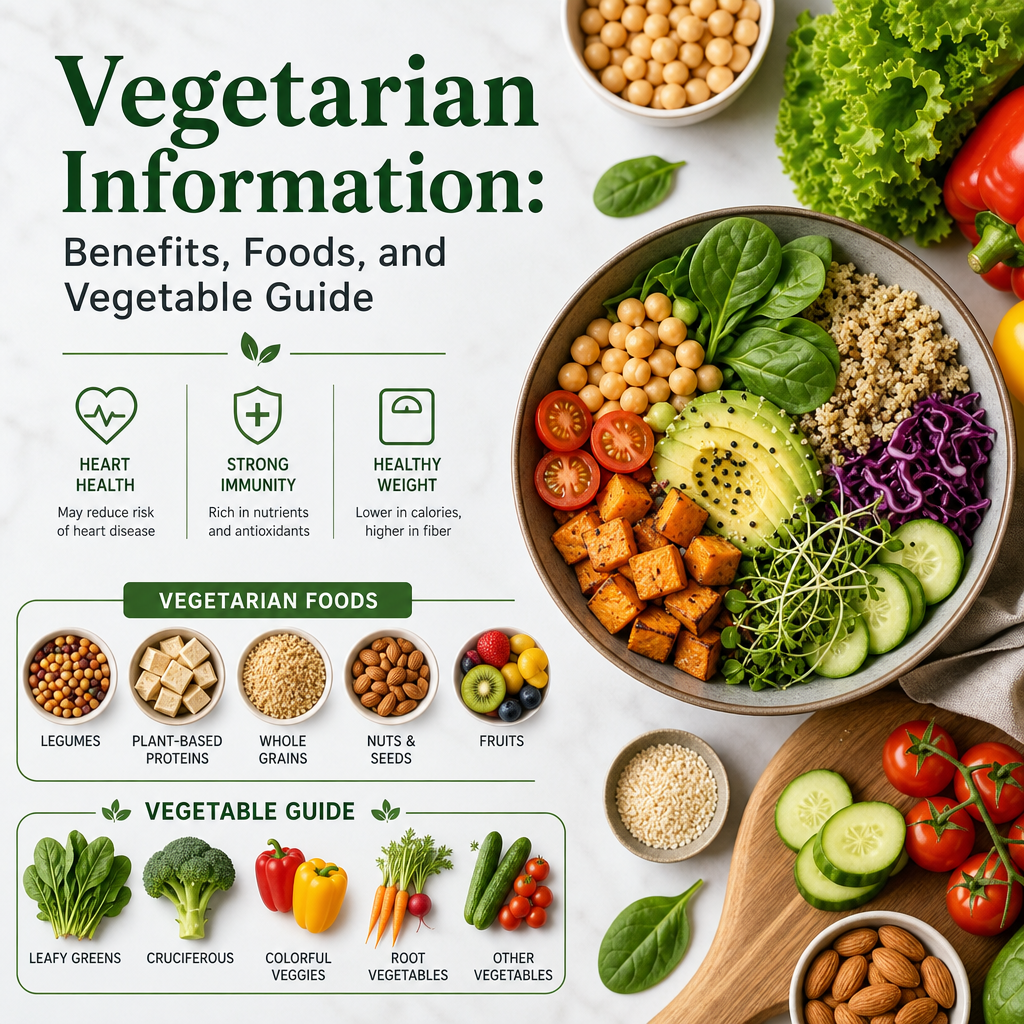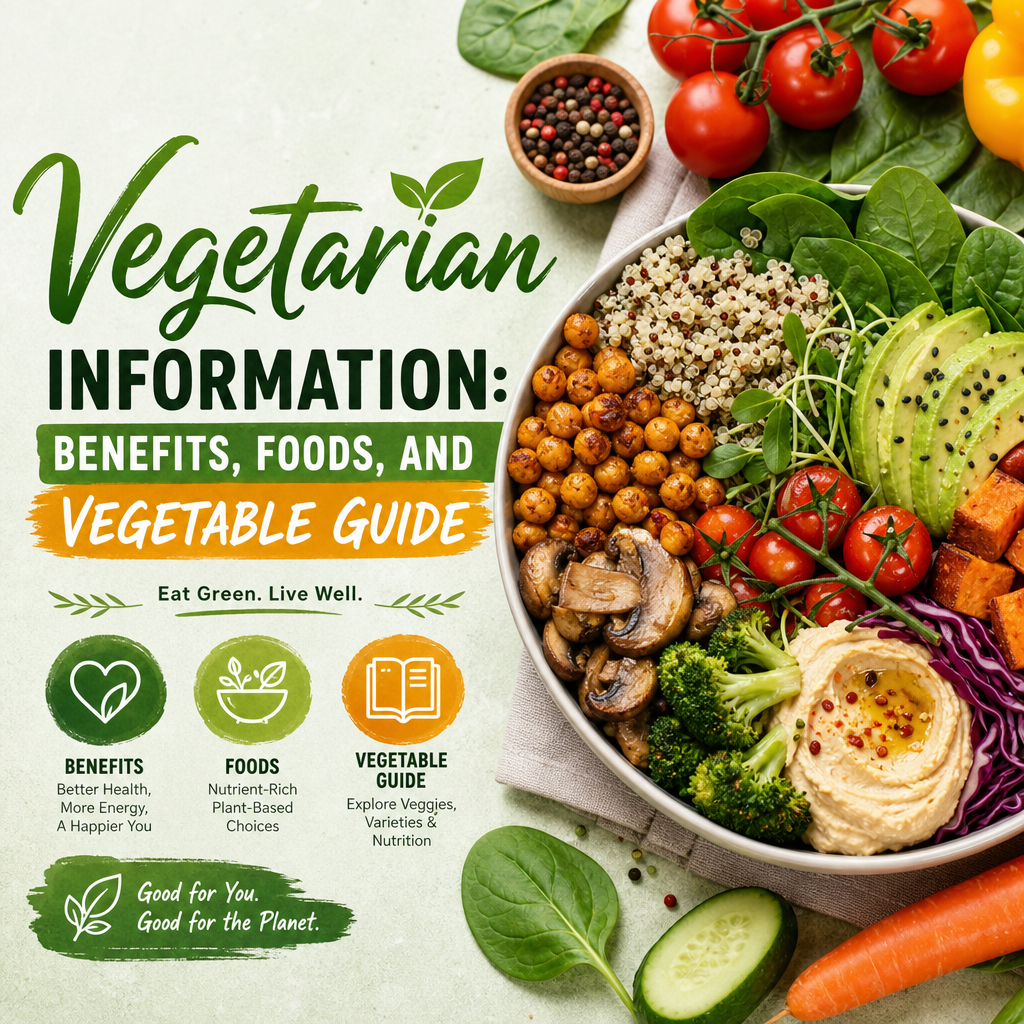
Information of Vegetarian: A Simple Guide to Plant-Based Living
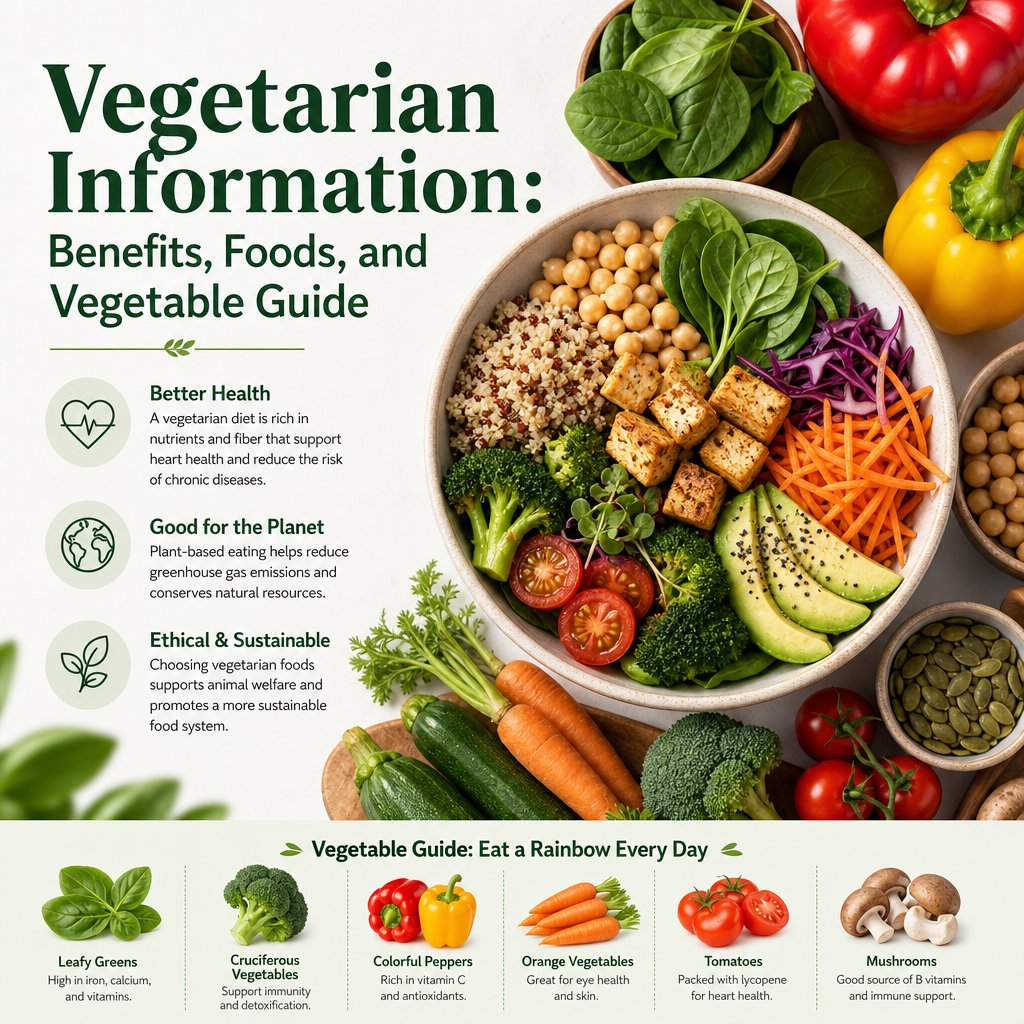
A Vegetarian lifestyle is one of the most popular ways to eat more healthfully while reducing dependence on meat. At its core, vegetarian eating focuses on foods like Vegetable, fruits, grains, legumes, nuts, and seeds. Some vegetarians also include dairy products and eggs, depending on the type of diet they follow.
For many people, becoming a Vegetarian is not only about food. It can also reflect personal values, health goals, environmental concerns, and cultural traditions. Understanding the basics can help anyone make informed choices about this way of eating.
What Does Vegetarian Mean?
A Vegetarian is someone who does not eat meat, poultry, or fish. However, there are different forms of vegetarian diets, and each one has its own guidelines.
Common Types of Vegetarian Diets
- Lacto-vegetarian: Includes dairy products but not eggs, meat, or fish
- Ovo-vegetarian: Includes eggs but not dairy, meat, or fish
- Lacto-ovo vegetarian: Includes both dairy and eggs
- Vegan: Avoids all animal products, including dairy, eggs, and often honey
These variations give people flexibility to choose the style that fits their lifestyle and nutritional needs.
Why People Choose a Vegetarian Diet
There are many reasons why someone may become a Vegetarian. While the motivation differs from person to person, some common reasons include:
- Health benefits
- Animal welfare concerns
- Environmental awareness
- Religious or cultural beliefs
- Personal taste preferences
A well-planned vegetarian diet often includes a wide variety of Vegetable dishes, whole grains, and plant proteins, making meals colorful and satisfying.
Health Benefits of Vegetarian Eating
Many studies suggest that a Vegetarian diet can support overall wellness when it is balanced properly. Plant-based diets are often rich in fiber, vitamins, minerals, and antioxidants.
Possible Benefits Include:
- Better heart health
- Lower intake of saturated fat
- Improved digestion
- Support for healthy weight management
- Reduced risk of certain chronic diseases
Eating more Vegetable-based meals may also encourage better daily nutrition. Leafy greens, carrots, tomatoes, broccoli, and peppers all provide important nutrients that support the body in different ways.
Important Nutrients for Vegetarians
Although a Vegetarian diet can be very nutritious, it is important to pay attention to certain nutrients that are often found in animal products.
Key Nutrients to Watch
Protein
Protein can come from many plant sources, such as:
- Beans
- Lentils
- Chickpeas
- Tofu
- Tempeh
- Nuts and seeds
Iron
Plant-based iron is found in:
- Spinach
- Lentils
- Pumpkin seeds
- Fortified cereals
Pairing these foods with vitamin C-rich fruits or Vegetable options like bell peppers can help improve iron absorption.
Vitamin B12
Vitamin B12 is one nutrient that may require special attention, especially for strict vegetarians and vegans. It is often found in fortified foods or supplements.
Calcium and Vitamin D
These nutrients are important for bone health. Dairy products may provide them for some vegetarians, while others rely on fortified plant milks, tofu, and sunlight exposure for support.
Easy Foods in a Vegetarian Diet
A Vegetarian diet can be simple, affordable, and enjoyable. Everyday meals can include familiar ingredients and easy recipes.
Popular Vegetarian Foods
- Vegetable soup
- Bean chili
- Lentil curry
- Stir-fried Vegetable dishes
- Salads with nuts and seeds
- Whole grain pasta with tomato sauce
- Veggie sandwiches and wraps
These meals can be adapted for different tastes, and they often make it easier to eat a wider variety of nutrients.
Common Misunderstandings About Vegetarian Food
Some people think vegetarian meals are boring or lacking in protein, but that is not true. A Vegetarian diet can be flavorful, filling, and diverse. Herbs, spices, sauces, and cooking methods all add excitement to plant-based meals.
Another myth is that vegetarians only eat salad. In reality, vegetarian cuisine includes soups, stews, casseroles, rice dishes, pasta, curries, and roasted Vegetable platters. There is a huge range of possibilities.
Tips for Starting a Vegetarian Lifestyle
If someone is interested in becoming a Vegetarian, starting slowly can be helpful. Small changes often lead to lasting habits.
Practical Beginner Tips
- Start with one or two meat-free days per week
- Build meals around beans, grains, and Vegetable dishes
- Try plant-based versions of favorite recipes
- Learn simple cooking methods for tofu and legumes
- Keep healthy snacks like fruit, nuts, and cut Vegetable on hand
Planning meals in advance can also make the transition easier and help ensure balanced nutrition.
Final Thoughts
Learning the basic information of Vegetarian eating can help people understand how this lifestyle works and why it appeals to so many. With the right planning, a Vegetarian diet can be nutritious, practical, and enjoyable.
By focusing on a wide range of Vegetable foods, plant proteins, and whole ingredients, anyone can create meals that support both health and satisfaction. Whether adopted fully or gradually, vegetarian eating offers a flexible path toward better food choices.