Information of Vegetarian: A Simple Guide to a Plant-Focused Lifestyle
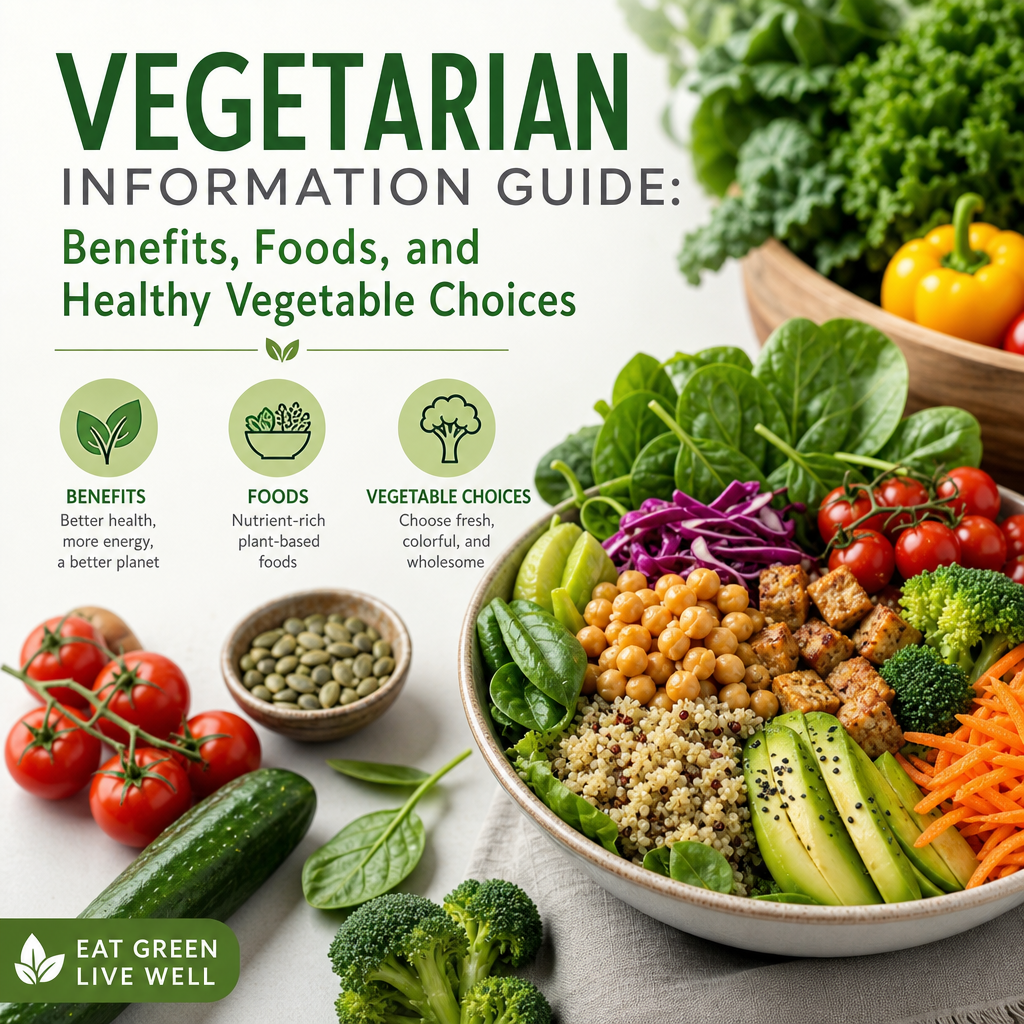
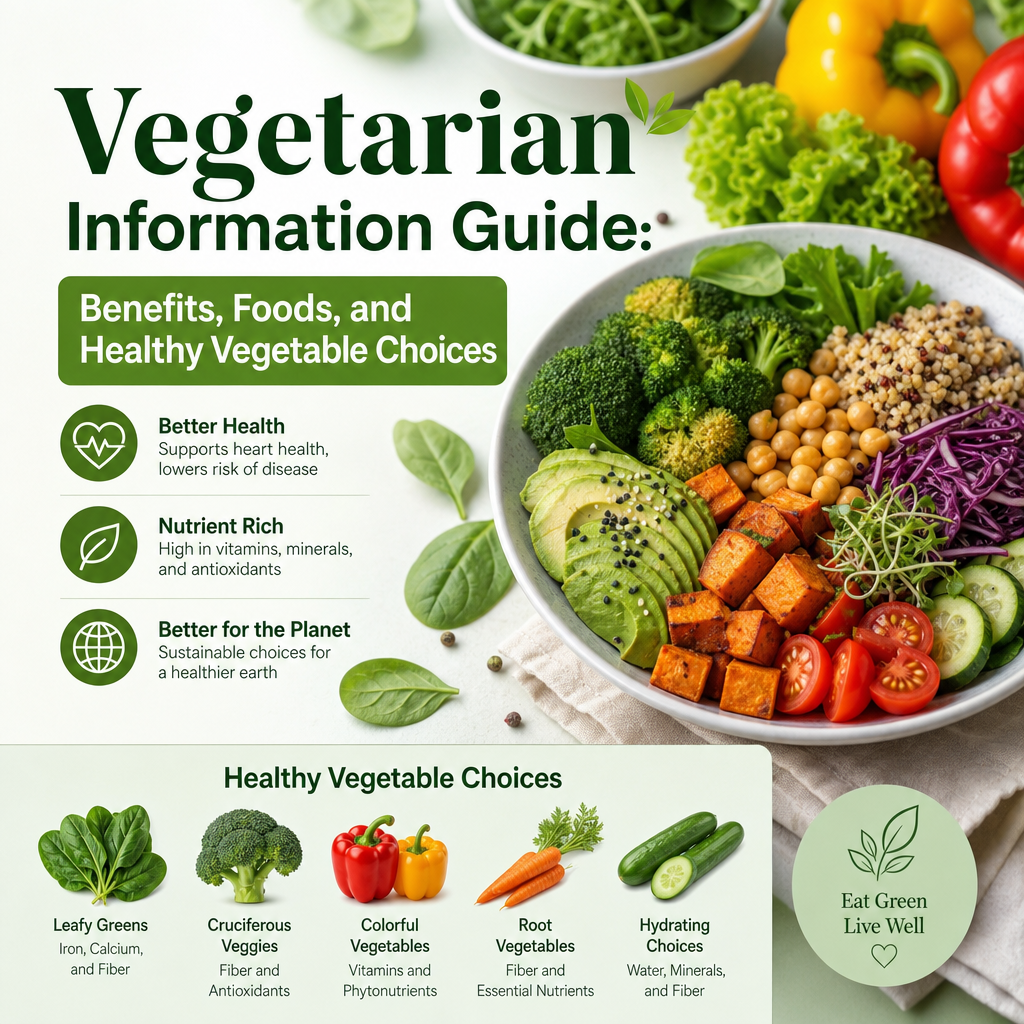
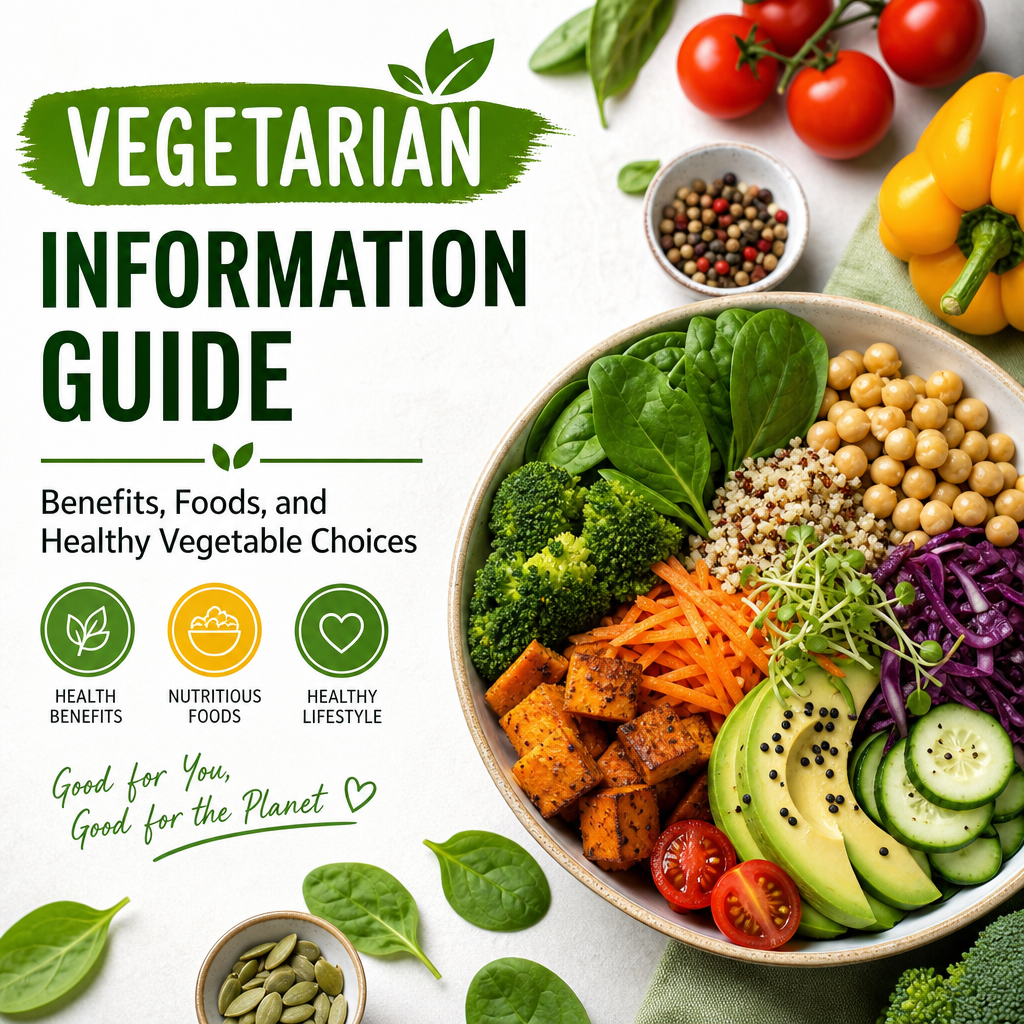
A Vegetarian lifestyle is one of the most popular ways to eat more healthfully while also supporting animal welfare and environmental sustainability. At its core, vegetarian eating focuses on foods from plants, especially fruits, grains, legumes, nuts, seeds, and every kind of Vegetable.
People choose vegetarianism for many reasons. Some want to improve their health, some avoid meat for ethical reasons, and others simply enjoy the variety and flavor of plant-based meals. No matter the reason, understanding the basics can make the lifestyle easier and more enjoyable.
What Is a Vegetarian?
A Vegetarian is someone who does not eat meat, poultry, or fish. However, there are different types of vegetarian diets depending on which animal products are included.
Common Types of Vegetarian Diets
- Lacto-vegetarian: Includes dairy products but avoids eggs, meat, poultry, and fish
- Ovo-vegetarian: Includes eggs but avoids dairy, meat, poultry, and fish
- Lacto-ovo vegetarian: Includes both eggs and dairy products
- Vegan: Avoids all animal products, including dairy, eggs, and honey
Each type offers flexibility, allowing people to choose what works best for their values, culture, and nutritional needs.
Main Foods in a Vegetarian Diet
A balanced Vegetarian diet includes many nutrient-rich foods. The goal is not just to remove meat, but to build satisfying meals around wholesome plant foods.
Common Vegetarian Foods
- Leafy greens and colorful Vegetable options
- Beans, lentils, and peas
- Whole grains like brown rice, oats, and quinoa
- Nuts and seeds
- Fruits
- Dairy products or plant-based alternatives
- Eggs, if included
These foods provide fiber, vitamins, minerals, and plant-based protein. A wide variety is important because different foods provide different nutrients.
Health Benefits of Being Vegetarian
A well-planned Vegetarian diet can support overall health. Many plant foods are naturally lower in saturated fat and rich in fiber, antioxidants, and essential nutrients.
Possible Benefits Include
- Better heart health
- Lower risk of high blood pressure
- Improved digestion
- Easier weight management
- Reduced risk of some chronic diseases
Eating more Vegetable-based meals can also help people reduce processed food intake, especially when meals are prepared from fresh ingredients.
Important Nutrients to Watch
Although a Vegetarian diet can be very healthy, it should still be balanced. Some nutrients require extra attention, especially for people who avoid many animal products.
Key Nutrients for Vegetarians
Protein
Protein can come from:
- Beans
- Lentils
- Tofu
- Tempeh
- Eggs
- Dairy
- Nuts and seeds
Iron
Plant-based iron is found in foods like spinach, lentils, beans, and fortified cereals. Eating these with vitamin C-rich foods, such as oranges or bell peppers, may improve absorption.
Vitamin B12
Vitamin B12 is commonly found in animal products, so some Vegetarian eaters may need fortified foods or supplements, especially vegans.
Calcium and Vitamin D
These support bone health. Dairy products, fortified plant milks, tofu, and some green Vegetable choices can help meet calcium needs.
Omega-3 Fatty Acids
Flaxseeds, chia seeds, walnuts, and algae-based supplements are useful plant sources.
Easy Ways to Start a Vegetarian Lifestyle
Starting a Vegetarian diet does not need to be difficult. Small steps often lead to lasting habits.
Beginner Tips
- Start with one or two meat-free days each week
- Replace meat with beans or tofu in favorite recipes
- Add an extra Vegetable to lunch and dinner
- Try new grains and legumes
- Keep healthy snacks like nuts, fruit, or yogurt available
- Learn simple plant-based recipes
Making gradual changes helps people discover meals they truly enjoy instead of feeling restricted.
Sample Vegetarian Meal Ideas
A Vegetarian menu can be colorful, filling, and full of flavor.
Breakfast
- Oatmeal with fruit and nuts
- Whole grain toast with avocado
- Yogurt with seeds and berries
Lunch
- Lentil soup with salad
- Vegetable stir-fry with rice
- Hummus wrap with fresh Vegetable fillings
Dinner
- Chickpea curry
- Pasta with tomato sauce and roasted vegetables
- Tofu with quinoa and steamed greens
Snacks
- Carrot sticks
- Apple slices with peanut butter
- Trail mix
- Cheese and whole grain crackers
Common Misunderstandings About Vegetarian Diets
Some people think a Vegetarian diet is boring or lacks protein, but this is not true. With good planning, vegetarian meals can be rich in taste, texture, and nutrition.
Another misunderstanding is that every Vegetarian eats the same way. In reality, vegetarian diets vary widely across cultures and personal preferences. Some meals are simple, while others are creative and gourmet.
Conclusion
Learning the basic information of Vegetarian eating can help anyone make better food choices. A Vegetarian lifestyle focuses on plant foods, especially fruits, grains, legumes, and every kind of Vegetable, while avoiding meat and fish. It can support health, introduce more variety into meals, and align with personal values.
With a little planning, vegetarian eating can be practical, affordable, and delicious. Whether someone adopts it fully or simply adds more Vegetable-based meals to the week, the benefits can be meaningful and long-lasting.