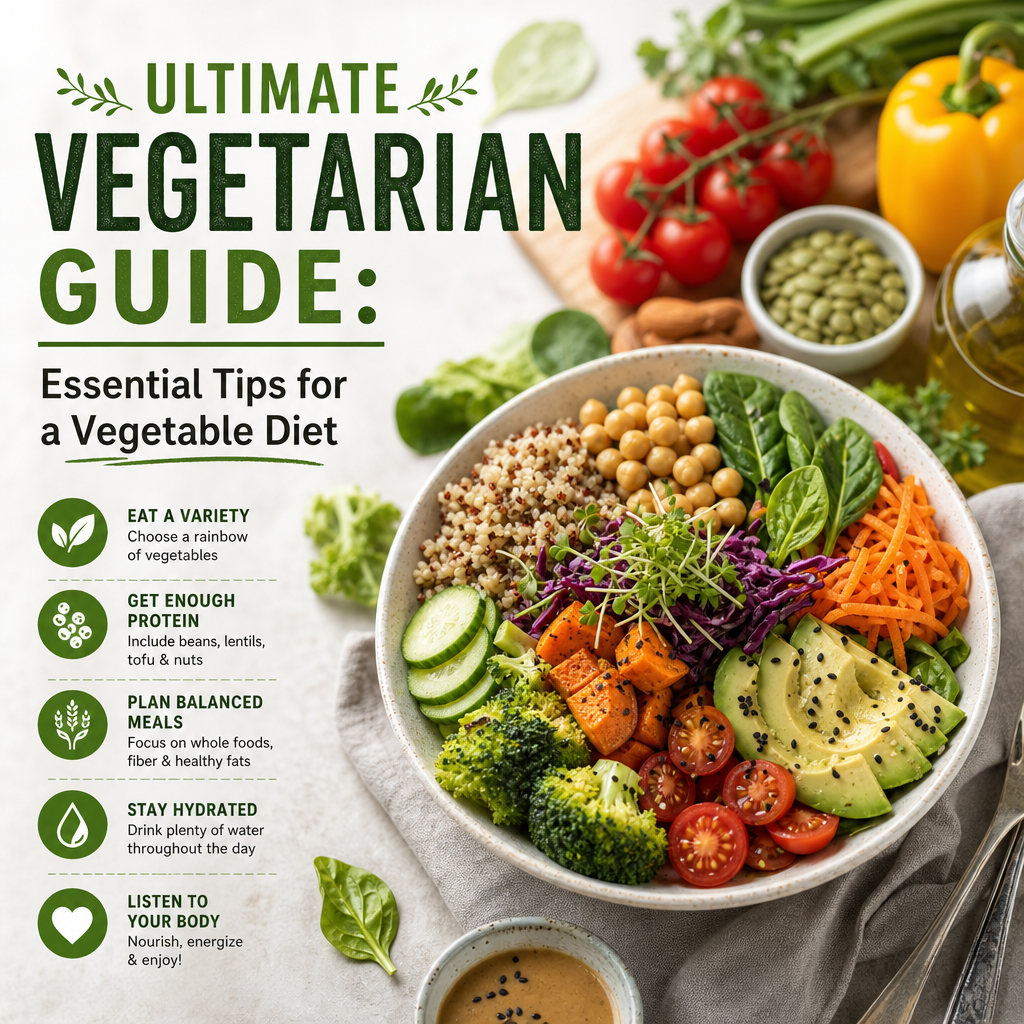
Choosing a Vegetarian lifestyle is more than a food trend. For many people, it is a practical way to eat healthier, reduce environmental impact, and explore a wider variety of meals. This Vegetarian guide covers the basics, benefits, common food choices, and simple tips to help you enjoy a balanced plant-focused diet.
Ultimate Guide to Vegetarian Living
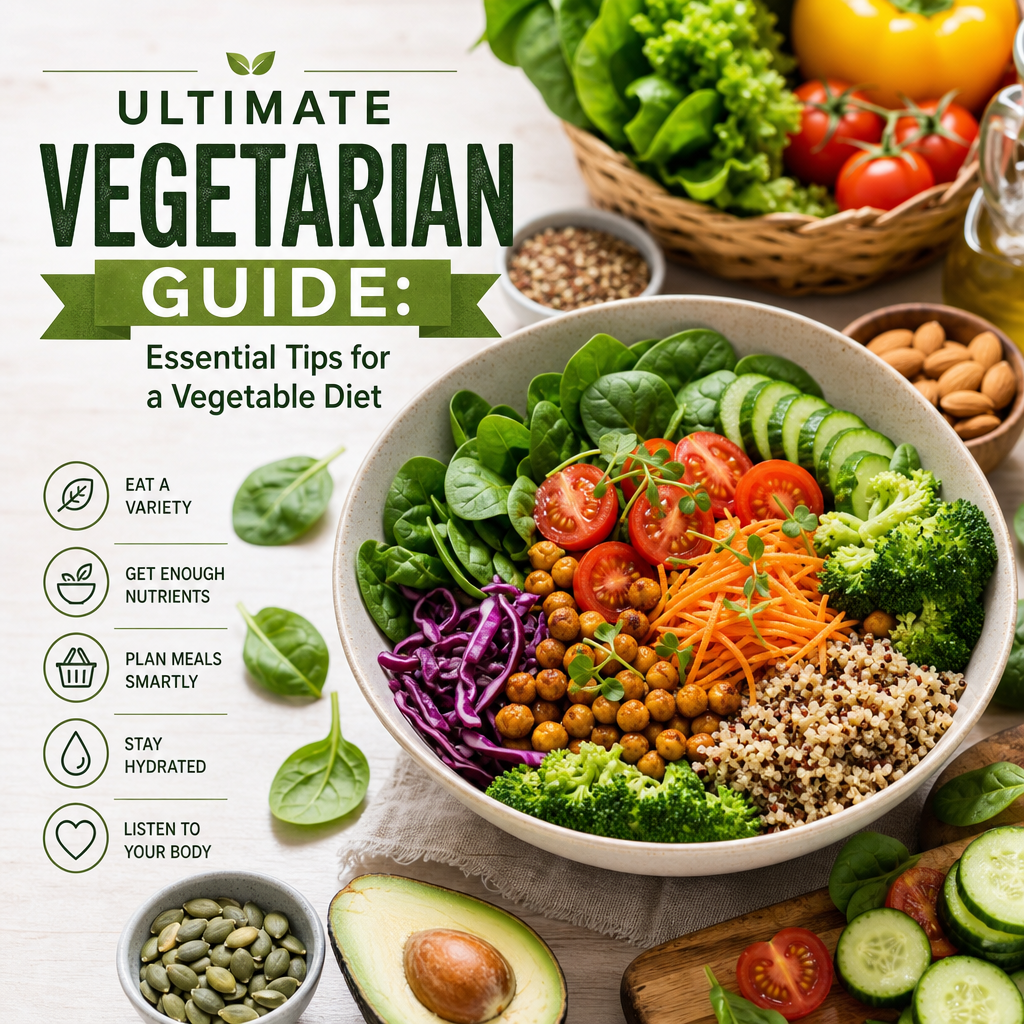
Choosing a Vegetarian lifestyle is more than a food trend. For many people, it is a practical way to eat healthier, reduce environmental impact, and explore a wider variety of meals. This Vegetarian guide covers the basics, benefits, common food choices, and simple tips to help you enjoy a balanced plant-focused diet.
What Does Vegetarian Mean?
A Vegetarian diet usually avoids meat, poultry, and fish. However, there are a few different styles within vegetarian eating.
Common Types of Vegetarian Diets
- Lacto-vegetarian: includes dairy products but no eggs
- Ovo-vegetarian: includes eggs but no dairy
- Lacto-ovo vegetarian: includes both eggs and dairy
- Vegan: avoids all animal products
For many beginners, the lacto-ovo approach is the easiest starting point because it offers flexibility and familiar food options.
Why People Choose a Vegetarian Diet
People become Vegetarian for many reasons, and no single reason is more valid than another.
Health Benefits
A well-planned vegetarian diet can support:
- Heart health
- Better digestion
- Healthy weight management
- Lower intake of saturated fat
- Increased fiber, vitamins, and antioxidants
Because vegetarian meals often include more Vegetable-based foods, beans, whole grains, nuts, and seeds, they can naturally be rich in nutrients.
Environmental Benefits
Plant-based eating generally uses fewer natural resources than meat-heavy diets. Choosing more Vegetable meals may help reduce water use, land use, and greenhouse gas emissions.
Ethical and Personal Reasons
Some people choose a Vegetarian lifestyle because of animal welfare concerns, religious beliefs, or personal values. Others simply feel better eating more plant-based foods.
Foods to Eat in a Vegetarian Diet
A healthy Vegetarian guide should focus on variety. Eating only pasta, bread, and cheese may be meat-free, but it is not always balanced.
Key Food Groups
Vegetables and Fruits
These should be the foundation of your meals. Aim for different colors and types to get a broad mix of nutrients.
Examples include:
- Leafy greens
- Broccoli
- Carrots
- Peppers
- Tomatoes
- Sweet potatoes
- Berries
- Apples
- Bananas
Every Vegetable brings something unique, from vitamin C to potassium to fiber.
Protein Sources
Protein is easy to get on a vegetarian diet when meals are planned well.
Good options include:
- Lentils
- Chickpeas
- Black beans
- Tofu
- Tempeh
- Edamame
- Eggs
- Greek yogurt
- Cottage cheese
- Nuts and seeds
Whole Grains
Whole grains add energy, fiber, and important minerals.
Try:
- Oats
- Brown rice
- Quinoa
- Whole wheat bread
- Barley
- Farro
Nutrients to Pay Attention To
A smart Vegetarian guide should also mention a few key nutrients that deserve extra attention.
Important Nutrients
- Protein: include legumes, soy foods, eggs, dairy, nuts, and seeds
- Iron: found in beans, lentils, spinach, tofu, and fortified cereals
- Vitamin B12: important for nerve health; often found in dairy, eggs, and fortified foods
- Calcium: available in dairy products, fortified plant milks, tofu, and leafy greens
- Omega-3 fats: found in flaxseeds, chia seeds, walnuts, and some fortified foods
- Zinc: available in beans, nuts, seeds, and whole grains
Pairing iron-rich foods with vitamin C sources, such as citrus fruits or bell peppers, can help improve absorption.
Easy Tips for Becoming Vegetarian
Starting a Vegetarian lifestyle does not have to happen overnight. Small changes can make the transition easier and more sustainable. For more plant-based meal inspiration, see our Vegetarian Guide: Ultimate Vegetable Tips and Basics.
Beginner-Friendly Strategies
Start with One Meat-Free Day
Try one or two vegetarian days per week. This helps you test recipes and build confidence.
Replace Meat, Don’t Just Remove It
A meal feels more satisfying when meat is replaced with another source of protein. For example:
- Use lentils in pasta sauce
- Add tofu to stir-fries
- Swap chicken for chickpeas in salads
- Use black beans in tacos
Build Meals Around a Vegetable
Instead of thinking about what meat to cook, choose a Vegetable first. A tray of roasted cauliflower, zucchini, or carrots can inspire the rest of the meal.
Keep Simple Staples at Home
Stock your kitchen with:
- Canned beans
- Rice and pasta
- Frozen vegetables
- Eggs
- Yogurt
- Nuts
- Hummus
- Tofu
These basics make quick vegetarian meals much easier.
Sample Vegetarian Meal Ideas
If you are looking for inspiration, here are a few simple options:
- Oatmeal with berries, nuts, and seeds
- Greek yogurt with fruit and granola
- Lentil soup with whole grain bread
- Veggie stir-fry with tofu and brown rice
- Black bean tacos with avocado and salsa
- Chickpea curry with quinoa
- Pasta with spinach, tomatoes, and parmesan
A balanced Vegetarian meal often includes a protein source, a whole grain, and at least one Vegetable.
Final Thoughts
This Vegetarian guide shows that vegetarian eating can be simple, enjoyable, and nutritious. By focusing on whole foods, trying different recipes, and planning balanced meals, you can build a routine that works for your lifestyle.
Whether you want to become fully Vegetarian or just eat more Vegetable-based meals, the key is consistency and variety. Start small, stay curious, and enjoy the many flavors that plant-focused eating has to offer.